

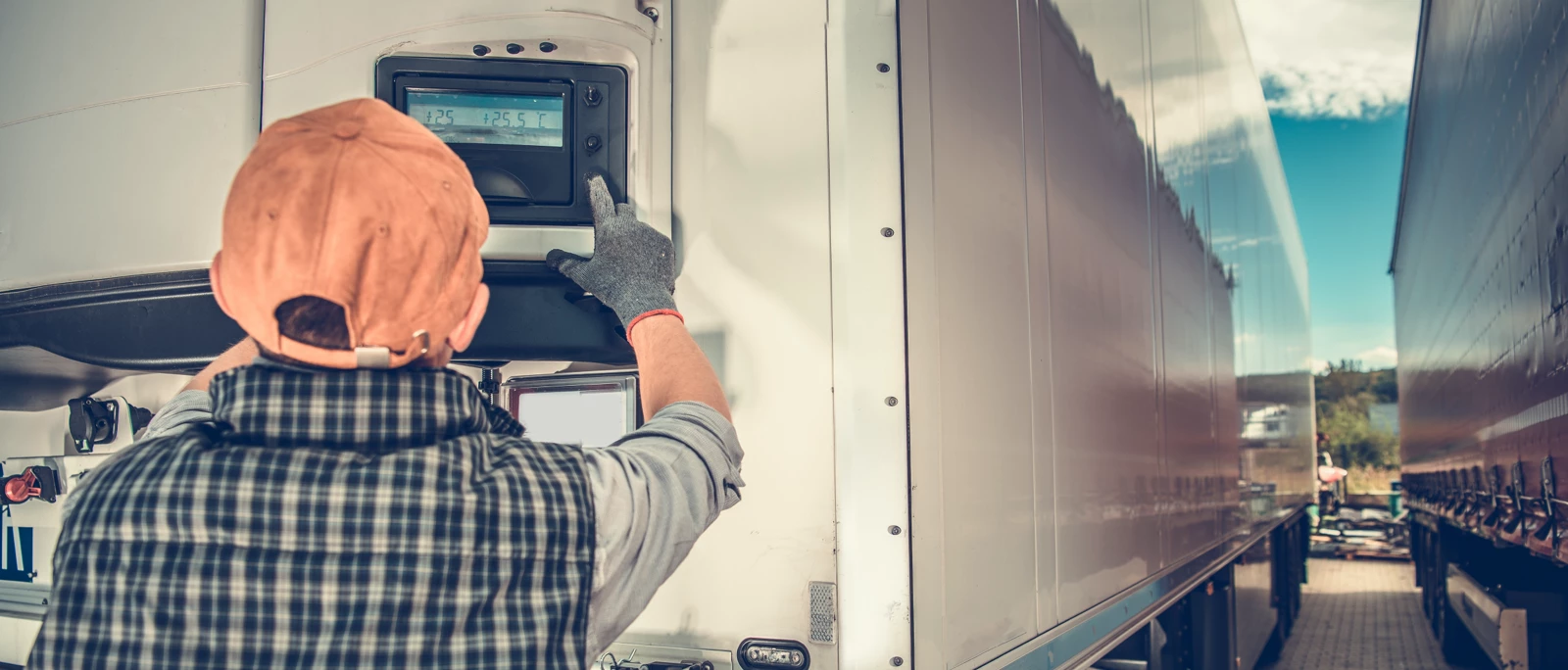
Refrigerated truck drivers—often called reefer drivers—are responsible for hauling temperature-controlled freight that keeps products safe and fresh during transport. These jobs are essential to the food, medical, and retail supply chains, ensuring goods get where they need to go in perfect condition.
What Is a Refrigerated Truck?
A refrigerated truck, or “reefer,” is a vehicle equipped with a cooling unit in its trailer or cargo area. These specialized systems regulate temperature and humidity to protect sensitive products during transport. Reefer trucks can range from small delivery vehicles to full-sized tractor-trailers pulling 53-foot refrigerated containers.
Depending on the route and freight type, you might drive a local delivery truck carrying ice cream and dairy products, or a long-haul rig moving perishable goods across several states. Either way, the technology inside your trailer keeps cargo within a narrow temperature range, regardless of weather or distance.
What Do Refrigerated Truck Drivers Haul?
Refrigerated truckers move far more than frozen foods. Their loads include any items that require climate control to stay viable, safe, or effective during shipping.
• Fresh and frozen foods (meat, seafood, dairy, produce, bakery items)
• Medical supplies, pharmaceuticals, and vaccines
• Chemicals, adhesives, and temperature-sensitive materials
• Cosmetics, household products, and electronics
• Restaurant and grocery chain inventory
Because temperature standards can vary from one product to another, reefer drivers must monitor trailer conditions carefully—making their role one of the most skilled specialties in trucking.
Requirements for a Refrigerated Truck Driving Job
Reefer drivers follow specific safety and maintenance procedures to protect their cargo. In addition to holding a valid CDL, employers often require a clean driving record, a solid work history, and the ability to meet federal compliance standards.
• Be at least 21 years old
• Provide a valid Social Security card
• Have at least three years of employment history
• Pass a DOT physical and medical certification
• Pass DOT-regulated drug and alcohol screenings
• Maintain a clean driving record with no serious violations
Drivers are also responsible for keeping accurate temperature logs and ensuring the cargo stays within the shipper’s specified range. Reefer trucking often rewards attention to detail, patience, and reliability.
What to Expect on the Job
Driving a refrigerated truck combines traditional freight hauling with additional monitoring duties. You’ll need to:
• Inspect the refrigeration unit before and during each trip
• Keep track of temperature readings throughout the route
• Refuel the reefer unit separately from the tractor
• Handle loading and unloading procedures for perishable goods
• Communicate closely with dispatchers and shippers about delivery conditions
Because reefer freight often moves at night or over weekends to meet delivery windows, schedules can vary—but the demand for experienced drivers is steady year-round. Many enjoy the stability and sense of purpose that come with keeping essential products on the move.
Is Refrigerated Trucking Right for You?
Reefer trucking can be a great fit for drivers who take pride in responsibility and precision. If you value consistency and don’t mind some extra attention to detail, refrigerated freight can offer reliable miles and competitive pay. Find a trucking job near you.
Whether you’re an experienced CDL holder or new to the industry, find refrigerated trucking jobs near you and discover what it’s like to drive one of the most vital segments of the logistics world.
FAQs About Refrigerated Truck Driving Jobs
What’s the pay range for refrigerated truck drivers?
According to the Bureau of Labor Statistics, heavy and tractor-trailer truck drivers earned a median annual wage of $57,440 in May 2024. The lowest 10% earned less than $38,640, while the top 10% earned more than $78,800. Reefer drivers often earn slightly more due to bonuses for on-time and temperature-controlled deliveries.
What’s home time and the work schedule like?
Home time varies by employer and route. Local reefer drivers can often return home daily, while long-haul drivers may spend several days or a week on the road. All reefer drivers must follow federal hours-of-service regulations, ensuring proper rest and safe driving schedules.
Is refrigerated trucking harder than standard freight?
Refrigerated trucking involves more monitoring and precision than standard freight. Drivers are responsible for maintaining trailer temperature and ensuring perishable goods stay within strict guidelines. It can be more demanding, but also more rewarding for drivers who value responsibility and consistency.